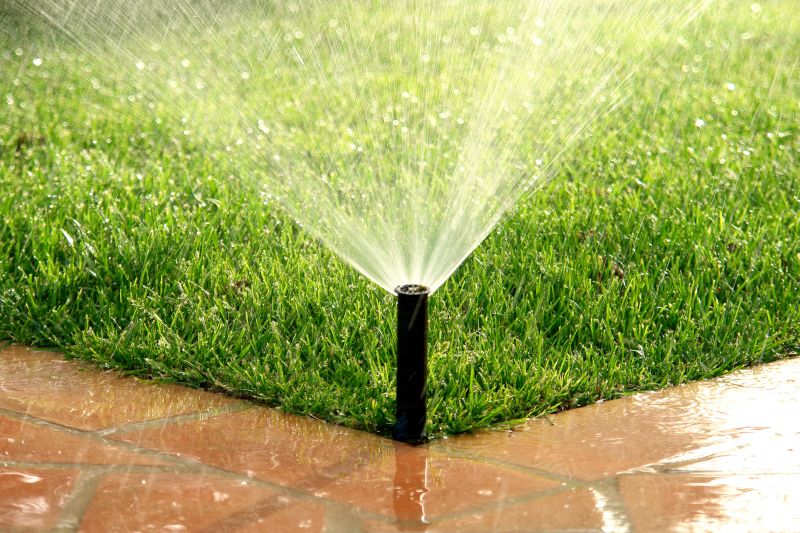
Irrigation Winterization in Reno, NV
Irrigation winterization services involve preparing an irrigation system for the colder months to prevent damage caused by freezing temperatures. This process typically includes draining or blowing out water from sprinkler lines, valves, and other components to eliminate any remaining moisture that could freeze and cause cracks or breaks. Projects may cover residential sprinkler systems, drip irrigation setups, and other outdoor watering infrastructure. Property owners should understand that proper winterization helps protect irrigation equipment from costly repairs and ensures the system remains functional for the upcoming season.
Before requesting irrigation winterization, homeowners usually want to know the scope of services included, such as whether all components will be drained or blown out, and if additional measures like insulation are recommended. It’s also helpful to clarify if the service addresses system-specific features or any existing issues that could affect winter protection. Ensuring the process is thorough and appropriate for the property’s irrigation setup can help prevent winter-related damages and maintain system longevity.
Many property owners in Reno, NV look into Irrigation Winterization for repairs, replacements, upgrades, and appearance-related improvements.
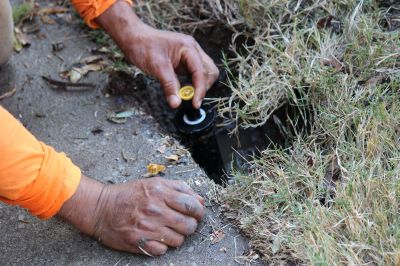
Preparing Sprinkler Systems For Winter
Proper winterization helps prevent pipe damage and system failures during freezing temperatures.
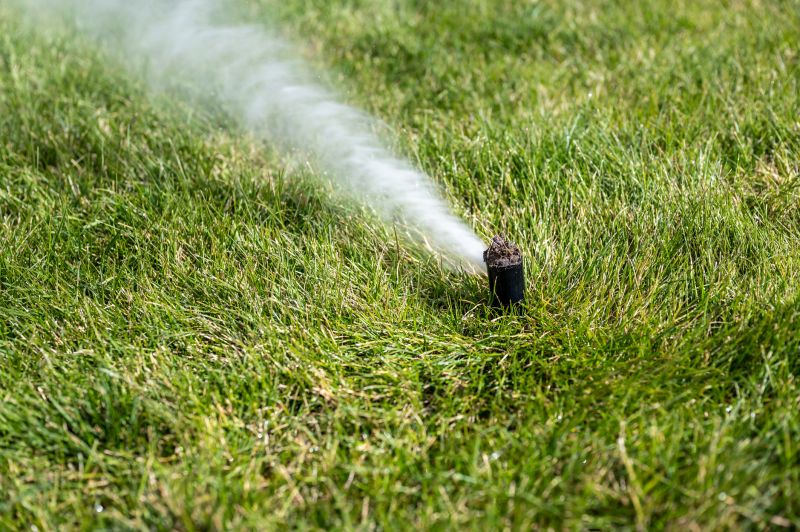
Protecting Landscape Investment
Winterizing irrigation systems ensures the longevity of sprinklers and underground components in reno, nv.
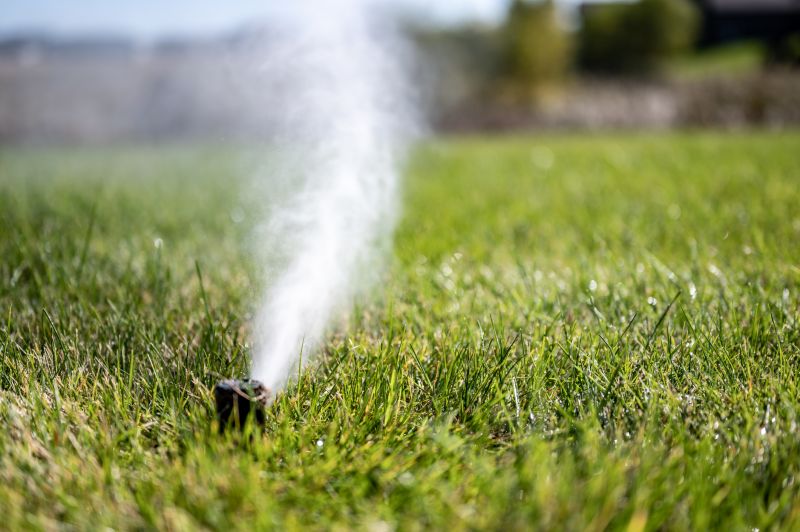
Seasonal Maintenance For Property Value
Scheduled irrigation winterization is a key step in maintaining a healthy and functional landscape year-round.
Irrigation Winterization in Reno, NV
Irrigation winterization services involve preparing an irrigation system for the colder months to prevent damage caused by freezing temperatures. This process typically includes draining or blowing out water from sprinkler lines, valves, and other components to eliminate any remaining moisture that could freeze and cause cracks or breaks. Projects may cover residential sprinkler systems, drip irrigation setups, and other outdoor watering infrastructure. Property owners should understand that proper winterization helps protect irrigation equipment from costly repairs and ensures the system remains functional for the upcoming season.
Before requesting irrigation winterization, homeowners usually want to know the scope of services included, such as whether all components will be drained or blown out, and if additional measures like insulation are recommended. It’s also helpful to clarify if the service addresses system-specific features or any existing issues that could affect winter protection. Ensuring the process is thorough and appropriate for the property’s irrigation setup can help prevent winter-related damages and maintain system longevity.
Many property owners in Reno, NV look into Irrigation Winterization for repairs, replacements, upgrades, and appearance-related improvements.
Common Irrigation Winterization Jobs
Irrigation Winterization involves draining and protecting sprinkler systems to prevent freeze damage during cold months.
Pipe Blowout removes water from pipes to avoid cracking or bursting caused by freezing temperatures.
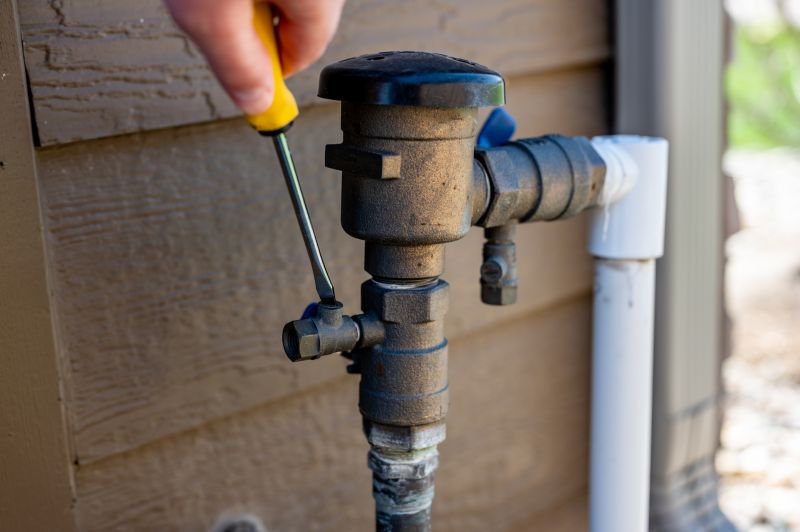
Backflow Prevention ensures sprinkler components are properly shut down to prevent contamination.
System Inspection checks for leaks, broken heads, or damaged valves before winter sets in.
Drainage Services include removing excess water from pipes and sprinkler components for winter safety.
Valve and Controller Shutdown involves turning off and disconnecting system controls to prevent damage.
Irrigation Winterization Questions
What is irrigation winterization? It is the process of preparing an irrigation system for winter by draining and protecting components from freezing temperatures.
Why is winterization important? Proper winterization helps prevent damage to pipes, valves, and sprinkler heads caused by freezing and thawing.
When should winterization be performed? It is typically done before the first hard freeze, usually in late fall or early winter.
What are the signs that winterization is needed? If an irrigation system is not properly winterized, it may be prone to leaks, broken pipes, or system failure during cold weather.
Request Irrigation Winterization in Reno, NV
Use the quote form on this page to share the basics of your project and request more information for the type of work you need.