Get Irrigation System Winterization
Irrigation system winterization services help property owners prevent damage by draining, insulating, and preparing sprinkler systems for cold weather, handled by local contractors.
Property owners in the area who rely on irrigation systems understand the importance of preparing their landscapes for the winter months. Proper winterization helps protect sprinkler components from damage caused by freezing temperatures, which can lead to costly repairs or replacements in the spring. Ensuring your irrigation system is correctly winterized can also promote a healthier lawn and garden come the warmer seasons, making it a practical step for maintaining property value and aesthetic appeal.
For those considering winterization services, exploring local contractors who specialize in irrigation system care can provide valuable options tailored to specific property needs. Comparing different service providers allows property owners to find experienced professionals capable of delivering thorough and reliable winterization work. Continuing to read can help identify trusted local experts ready to assist with preparing irrigation systems for the colder months.
- Winterization of irrigation systems - needed when preparing sprinkler systems to prevent damage during freezing temperatures.
- Pre-season irrigation system shutdown - recommended before the onset of winter to protect components from cold weather.
- Drain and blowout services - essential for clearing water from pipes and valves to avoid freezing and cracking.
- Sprinkler system insulation - useful for safeguarding vulnerable parts from winter weather conditions.
- Inspection and maintenance of irrigation components - advised to ensure system integrity and proper functioning after winterization.
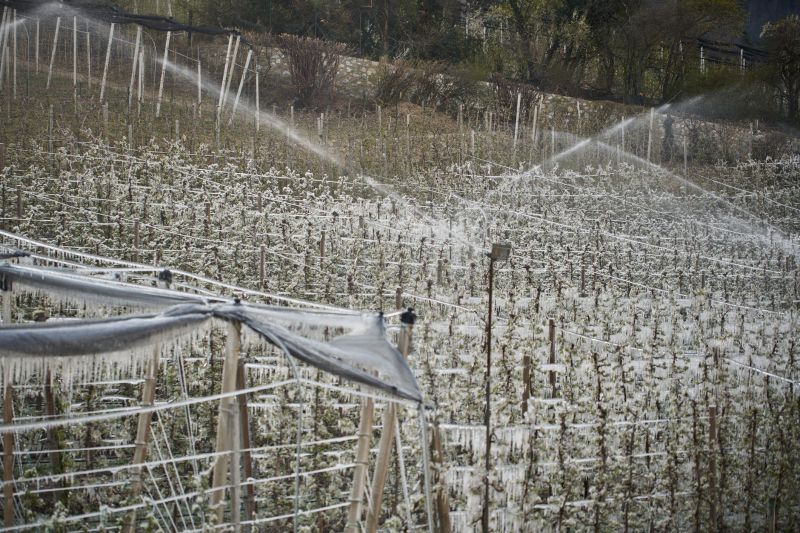
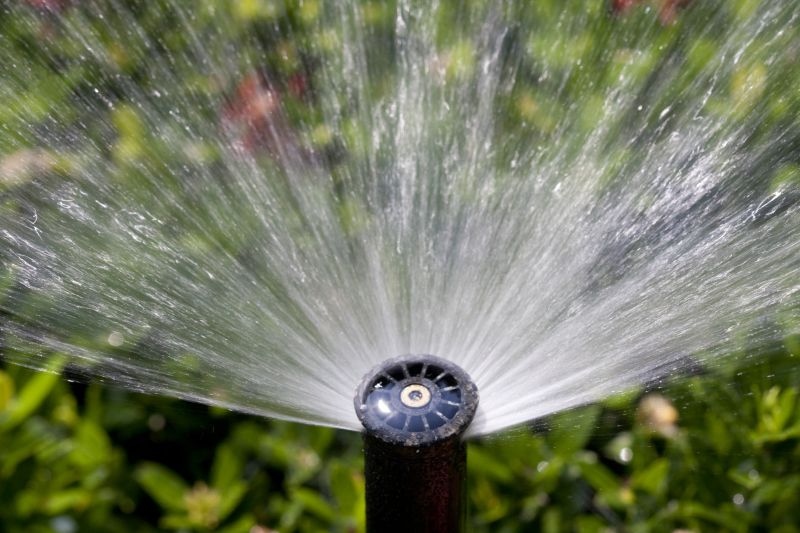
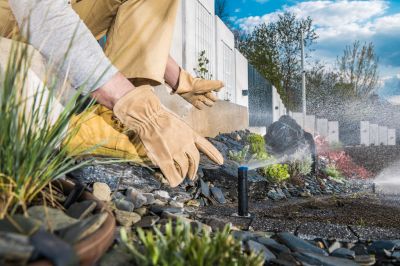
Irrigation system winterization services involve preparing an in-ground sprinkler system for the cold months ahead. The process typically includes draining remaining water from pipes, valves, and sprinkler heads to prevent freezing and cracking. Some contractors may also add specialized antifreeze solutions or insulate vulnerable components to ensure the system remains protected throughout the winter. This service is essential for maintaining the longevity and proper functioning of an irrigation system, especially in climates where freezing temperatures are common.
One of the main problems winterization helps address is freeze damage. When water trapped inside pipes freezes, it expands, which can cause pipes, valves, and sprinkler heads to crack or burst. Repairing these damages can be costly and disruptive to the landscape. Proper winterization minimizes this risk by removing excess water and insulating critical parts, reducing the likelihood of freeze-related failures when temperatures drop. Additionally, winterizing can prevent water from becoming trapped in the system, which could lead to corrosion or other long-term issues.
Properties that typically benefit from irrigation system winterization include residential homes with in-ground sprinkler systems, especially those located in regions with cold winters. Larger properties such as golf courses, sports fields, and commercial landscapes also require winterization services to protect extensive irrigation networks. Even some community parks and recreational facilities with underground watering systems may need professional winterization to ensure their irrigation infrastructure remains intact year after year. Homeowners and property managers should consider winterization if their irrigation system is not designed to withstand freezing conditions.
Homeowners who notice their sprinkler system has exposed or uninsulated pipes, or who experience freezing temperatures during the winter, should consider scheduling winterization services. This is particularly important if the system will be inactive for several months or if the property is located in a colder climate. By working with experienced local contractors, property owners can ensure their irrigation systems are properly prepared for winter, helping to avoid costly repairs and ensuring the system is ready to operate efficiently when spring arrives. Contacting local service providers is a practical step toward protecting irrigation investments during the colder months.
The overview below groups typical Irrigation System Winterization projects into broad ranges so you can see how smaller, mid-sized, and larger jobs often compare in your area.
In many markets, a large share of routine jobs stays in the lower and middle ranges, while only a smaller percentage of projects moves into the highest bands when the work is more complex or site conditions are harder than average.
Routine Winterization - Many local pros charge between $250 and $600 for standard winterization services, which typically include draining and blowing out sprinkler lines. Most projects fall within this middle range, covering common system sizes and setups.
Smaller Repairs - Minor repairs or adjustments during winterization usually cost between $150 and $300. These are common for simple systems or localized issues that need attention before the cold weather.
Full System Shutdown - Complete shutdown and preparation of larger irrigation systems can range from $600 to $1,200, especially for properties with extensive or complex setups. Fewer projects reach into this higher tier, which often involves more detailed work.
Full System Replacement - Replacing an entire irrigation system during winterization can cost $3,000 or more, depending on the size and complexity. Such projects are less common and tend to be at the higher end of the cost spectrum.
Actual totals will depend on details like access to the work area, the scope of the project, and the materials selected, so use these as general starting points rather than exact figures.
Sprinkler System Maintenance - technicians who perform seasonal maintenance and system shutdowns have skills similar to irrigation winterization, ensuring systems are protected during cold weather.
Drainage System Installation - professionals installing and maintaining drainage solutions use planning and tools comparable to those used in winterizing irrigation systems to prevent water damage.
Backflow Prevention Services - experts installing backflow preventers are familiar with plumbing and water flow management, which are important in winterizing irrigation setups.
Pipe Insulation Projects - contractors who insulate pipes to prevent freezing employ techniques similar to those used in protecting irrigation lines during winter.
Water Line Leak Repairs - specialists fixing leaks in water lines have experience with underground piping and winter protection measures, aligning with irrigation system winterization skills.
Landscape Drainage Planning - landscape contractors designing drainage solutions plan for water management, a key component in preparing irrigation systems for winter months.
When evaluating contractors for irrigation system winterization, experience with similar projects can be a key factor. Homeowners should look for service providers who have a proven track record of handling irrigation winterization in climates and settings comparable to their own. An experienced pro will understand the nuances of different sprinkler systems and be familiar with the best practices to ensure the system is properly prepared for the colder months. This background can help reduce the risk of overlooked issues and ensure that the work is completed efficiently and effectively.
Clear written expectations are essential when comparing local contractors for irrigation winterization services. Homeowners should seek providers who can offer a detailed scope of work, explaining what is included and what may be outside the scope of the service. This transparency helps prevent misunderstandings and ensures that both parties are aligned on the process. It’s also beneficial to ask for a written outline of the steps involved, any necessary preparations, and what the homeowner can expect during and after the service.
Reputable references and good communication are vital indicators of a trustworthy service provider. Homeowners should inquire about previous clients’ experiences and seek out reviews or testimonials that speak to the contractor’s reliability and professionalism. Additionally, responsive and clear communication from the contractor can make the process smoother-promptly answering questions and providing updates helps build confidence in their ability to deliver quality work. It’s important to remember that this site introduces homeowners to local options rather than performing the work itself, so taking the time to compare these aspects can lead to a more satisfactory service experience.
Property owners use Irrigation System Winterization services for practical projects around their homes and businesses. This guide focuses on everyday jobs and straightforward project options.
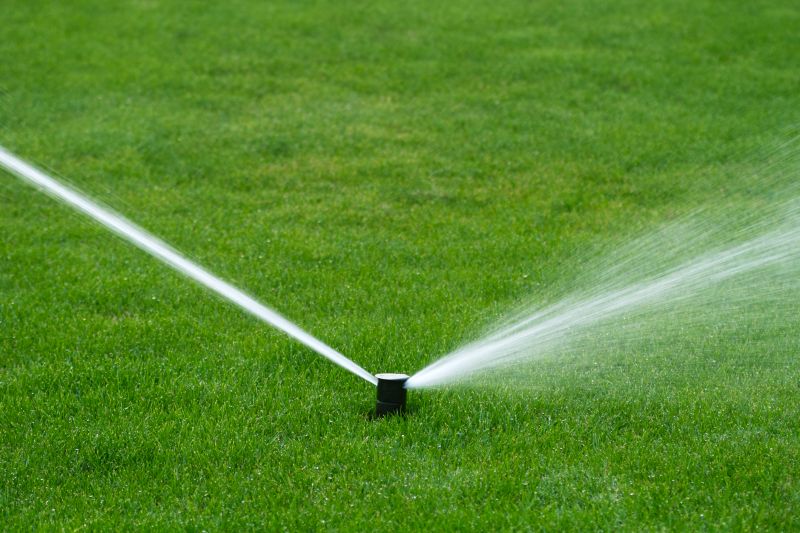
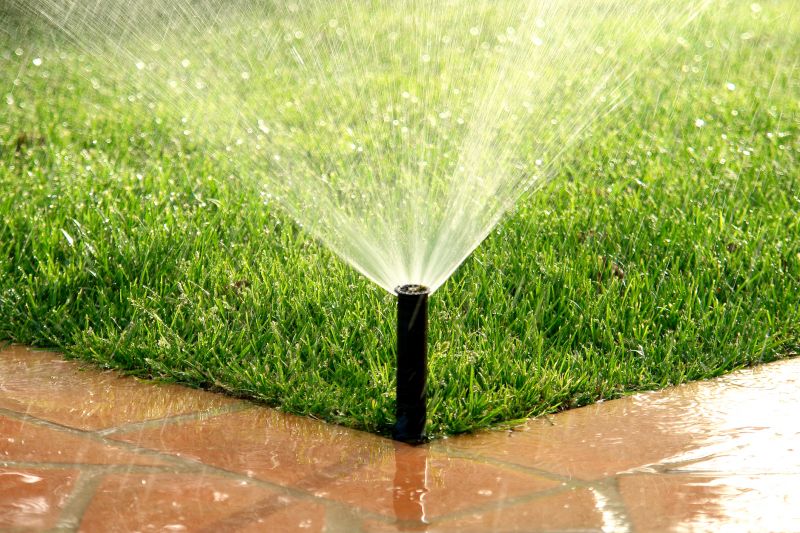
During the colder months, property owners often seek professional irrigation system winterization to prevent damage caused by freezing temperatures. Local contractors can drain and blow out sprinkler lines, ensuring that water does not freeze inside pipes and cause cracks or leaks. This service is especially important for those who want to avoid costly repairs or system failures when spring arrives, and for homeowners who want to protect their investment in landscaping and irrigation equipment.
Many property owners in the area look for winterization services because they want to ensure their irrigation systems are properly prepared for the winter season. Local service providers can help by inspecting and shutting down sprinkler components, reducing the risk of burst pipes or other winter-related issues. This simple preventative step can save property owners time and money, and help keep their irrigation systems in good condition year after year.
Why is winterizing my irrigation system important? Winterizing helps prevent damage caused by freezing temperatures, such as burst pipes and broken components, ensuring the system remains functional for the next season.
What services do local contractors offer for irrigation system winterization? They typically include draining water from pipes, blowing out remaining water with compressed air, and insulating vulnerable components to protect against freezing.
When should I schedule irrigation system winterization? It’s recommended to have the service performed before the first hard freeze to ensure your system is properly protected during cold weather.
Can I perform winterization myself, or should I hire a professional? While some homeowners may attempt DIY winterization, hiring experienced local contractors ensures the job is done correctly and reduces the risk of damage.
What signs indicate my irrigation system needs winterization? Visible leaks, irregular water flow, or a system that runs during cold weather are signs that winterization or inspection may be necessary to prevent damage.
Prepare for winter weather - property owners can schedule irrigation system winterization to prevent damage caused by freezing temperatures.
Protect landscaping investments - winterizing helps safeguard sprinkler components and landscaping from potential winter-related issues.
Maintain system longevity - timely winterization services can extend the lifespan of irrigation equipment by preventing winter-related wear.
Ensure system readiness for spring - local contractors can help ensure the irrigation system is properly prepared for the upcoming growing season.
If you are thinking about Irrigation System Winterization for a property, this guide is meant to help you understand the work, the typical project types, and how different options might fit your plans.
When you are ready, you can use the quote form on this page to share a few details about your project. From there, local pros can review the basics and respond with options that match what you have in mind.